
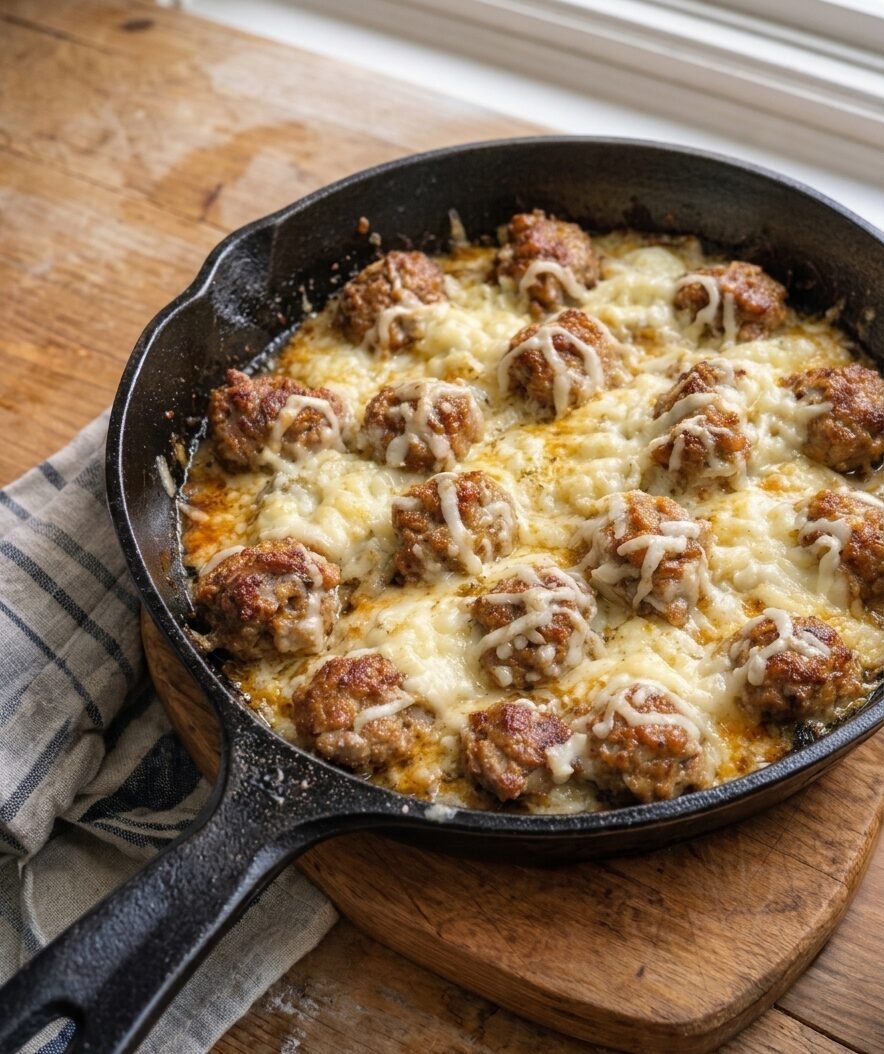
Super Low Carb Carnivore Pork Sausage & Ricotta Skillet Recipe
If you love rich, cheesy comfort food but want to keep your meals simple and extremely low in carbohydrates, this Super Low Carb Carnivore Pork Sausage & Ricotta Skillet is a recipe worth adding to your rotation!
Imagine savory pork sausage browned until beautifully golden, creamy ricotta tucked into every bite, and melted mozzarella and Parmesan creating a deliciously cheesy finish. Everything comes together in one skillet, making this a satisfying meal without flour, breadcrumbs, pasta, or sugary sauces.
The ricotta adds a soft, creamy texture that balances the savory sausage, while Parmesan brings a rich, salty flavor. A little mozzarella ties everything together for that irresistible cheese pull.
Whether you’re following a carnivore-style eating plan, enjoying a very low-carb lifestyle, or simply looking for an easy, protein-rich dinner, this skillet delivers plenty of flavor with minimal preparation and cleanup.
Best of all, you can have it on the table in about 30 minutes!
❤️ Why You’ll Love This Recipe
Very low in carbohydrates: No pasta, grains, breadcrumbs, or traditional sauce required.
Carnivore-inspired ingredients: Built around pork sausage, ricotta, mozzarella, Parmesan, and butter.
Rich and creamy: Ricotta creates soft, creamy pockets throughout the skillet.
Packed with savory flavor: Browning the sausage adds delicious depth.
One-pan convenience: Prepare and serve the meal in the same skillet.
Quick and easy: Perfect for busy weeknights when you want a satisfying dinner without complicated steps.
Customizable cheesiness: Adjust the mozzarella and Parmesan to suit your preferences.
Great for leftovers: Portion the skillet for convenient lunches or dinners.
📋 Recipe Information
Prep Time: 10 minutes
Cook Time: 20 minutes
Total Time: 30 minutes
Servings: 4
Course: Breakfast, Lunch, Dinner, Main Dish
Cuisine: American-Inspired, Carnivore
Cooking Method: Stovetop
Difficulty: Easy
Dietary Style: Carnivore-Inspired, Very Low Carb, Keto-Friendly
🛒 Ingredients You’ll Need
For the Sausage Skillet
1 pound ground pork sausage – Choose plain pork sausage or a variety with minimal added ingredients. Check the label for added sugars, starches, or fillers if you’re following a strict carnivore approach.
1 cup whole-milk ricotta cheese – Creates the creamy texture that makes this skillet special.
1 cup shredded mozzarella cheese – Adds a gooey, stretchy cheese layer.
½ cup freshly grated Parmesan cheese – Brings a rich, salty, savory flavor.
2 tablespoons unsalted butter – Adds richness and helps the sausage brown if it needs extra fat.
2 tablespoons heavy cream, optional – Makes the cheese mixture even creamier.
½ teaspoon salt, or to taste – Add carefully because sausage and Parmesan may already be salty.
¼ teaspoon black pepper, optional – For a little extra seasoning.
Optional Finishing Touches
For a flexible keto version, you can add:
A pinch of garlic powder
A sprinkle of dried Italian herbs
A little extra Parmesan
Crushed red pepper flakes
For a stricter carnivore version, omit plant-derived seasonings and choose sausage and dairy products that fit your personal dietary approach.
Ingredient note: Ricotta and other dairy products contain small amounts of carbohydrates, so this recipe is very low-carb rather than guaranteed zero-carb. Exact amounts depend on the brands you use.
🍳 Equipment Needed
Large skillet, preferably cast iron or stainless steel
Wooden spoon or spatula
Measuring cups and spoons
Cheese grater, if using a block of Parmesan
Meat thermometer
Serving spoon
A 10- or 12-inch skillet works well for this recipe, giving the sausage enough room to brown without overcrowding the pan.
👩🍳 How to Make Super Low Carb Carnivore Pork Sausage & Ricotta Skillet
Step 1: Prepare Your Ingredients
Measure the ricotta, mozzarella, and Parmesan.
If your ricotta contains excess liquid, drain it briefly so the finished skillet stays creamy rather than watery.
Shred the mozzarella and grate the Parmesan if needed.
Keep the cheeses ready beside the stove so you can add them quickly once the sausage is cooked.
Step 2: Brown the Pork Sausage
Place a large skillet over medium heat.
Add the ground pork sausage and break it into small crumbles using a wooden spoon.
Cook for approximately 7–10 minutes, stirring occasionally, until the sausage is browned and cooked through.
Ground pork sausage should reach an internal temperature of 160°F (71°C).
If the sausage releases plenty of fat, you may not need the butter. If the pan looks dry, add 1 tablespoon of butter and let it melt around the meat.
Drain excess grease if necessary, but leave a small amount in the pan for flavor and moisture.
Step 3: Lower the Heat
Reduce the heat to low.
This is an important step because dairy can separate if exposed to excessive heat.
Add the remaining butter if you haven’t already used it.
Stir gently to coat the sausage crumbles with the melted butter and rendered juices.
Step 4: Add the Ricotta
Spoon the ricotta into the skillet in several small dollops.
Gently fold it into the sausage, leaving a few creamy pockets rather than mixing it completely smooth.
If you’d like a looser, creamier consistency, add the optional heavy cream and stir gently.
Let everything warm for approximately 2 minutes.
Avoid boiling the mixture; gentle heat gives you a smoother texture.
Step 5: Add the Parmesan
Sprinkle the Parmesan over the sausage and ricotta mixture.
Stir gently until the cheese begins to melt into the warm filling.
Taste before adding salt. The sausage and Parmesan can provide plenty of seasoning on their own.
Add optional black pepper if desired.
Step 6: Add the Mozzarella
Spread the shredded mozzarella evenly over the skillet.
Cover the pan with a lid and cook over low heat for 3–5 minutes, or until the mozzarella has melted.
For a more golden finish, transfer the mixture to an oven-safe skillet and place it under the broiler for 1–2 minutes, watching closely.
If your skillet isn’t oven-safe, skip the broiler and simply let the cheese melt under the lid.
Step 7: Rest and Serve
Turn off the heat and allow the skillet to rest for 2–3 minutes.
The cheese will settle slightly, and the ricotta will remain creamy.
Serve warm straight from the skillet, with extra Parmesan on top if desired.
The result is a rich, savory combination of browned pork sausage, creamy ricotta, and melted cheese in every bite.
💡 Tips for the Best Sausage & Ricotta Skillet
1. Choose Sausage With Simple Ingredients
Some packaged sausages contain added sugar, starch, or other fillers. If you’re keeping carbohydrates very low, check the nutrition label and ingredient list carefully.
Plain ground pork seasoned to your preference is another option.
2. Brown the Meat Before Adding Cheese
Give the sausage enough time to develop golden-brown edges. This creates a deeper, more satisfying flavor than simply cooking the meat until gray.
3. Use Gentle Heat for the Dairy
Ricotta and heavy cream can become grainy or separate when overheated. Reduce the heat before adding the cheese, and avoid bringing the mixture to a boil.
4. Drain Excess Grease if Needed
Pork sausage can release a considerable amount of fat. A little fat helps the skillet stay flavorful, but too much may leave the cheese mixture oily.
Drain excess grease before adding the ricotta if necessary.
5. Use Freshly Shredded Mozzarella
Freshly shredded mozzarella often melts more smoothly than pre-shredded cheese.
6. Adjust the Texture to Your Taste
For a thicker skillet, omit the heavy cream. For a softer, creamier result, add the cream gradually until you reach your preferred consistency.
7. Season Gradually
Parmesan and sausage are naturally salty. Taste the finished mixture before adding additional salt.
🥩 Delicious Variations
1. Extra-Cheesy Carnivore Skillet
Add another ¼ cup of mozzarella and a little extra Parmesan. Melt the cheese gently over low heat for an especially rich finish.
2. Creamy Sausage and Ricotta Skillet
Add ¼ cup of heavy cream instead of 2 tablespoons. Stir it in gradually and heat gently until the mixture becomes creamy.
This version is richer, so the calories and fat per serving will increase.
3. Parmesan Crust Skillet
After adding the cheese, transfer the mixture to an oven-safe skillet and broil briefly until the top is lightly golden. Watch carefully to prevent burning.
4. Pork and Beef Skillet
Replace half the pork sausage with ground beef. Brown both meats thoroughly, drain excess grease as needed, and follow the remaining instructions.
This creates a deeper, beefier flavor.
5. Bacon and Ricotta Skillet
Cook 3–4 slices of bacon until crisp, then crumble them over the finished skillet. For the best texture, add the bacon just before serving.
6. Strict Carnivore-Style Version
Use plain ground pork, butter, ricotta, mozzarella, Parmesan, and salt if these ingredients fit your chosen version of carnivore eating. Omit optional plant-derived seasonings.
Carnivore approaches vary, particularly regarding dairy, so adjust the ingredients to your personal preferences.
7. Breakfast Sausage Skillet
Use breakfast-style pork sausage and serve the skillet with fried or scrambled eggs. Check the sausage label for added sugars if you want to keep the carbohydrates low.
🍽️ What to Serve With This Skillet
This skillet is rich and filling enough to enjoy on its own, particularly if you’re following a carnivore-style meal plan.
For a Carnivore-Inspired Meal
Fried eggs cooked in butter
Crispy bacon
A side of additional Parmesan
Plain beef broth
Another portion of the sausage and cheese mixture
For a Low-Carb Meal
If you follow a broader low-carb diet rather than strict carnivore, you can serve it with:
Sautéed zucchini
Roasted broccoli
Cauliflower mash
A simple green salad
Steamed green beans
These vegetable sides are optional and are intended for a flexible low-carb approach.
For a Family Dinner
Serve the skillet with a simple vegetable side or salad, and let everyone add extra cheese or seasonings to their own portion.
For breakfast or brunch, a small serving alongside eggs makes a hearty, savory plate.
🥡 Storage and Reheating Instructions
Refrigerator
Allow leftovers to cool slightly, then transfer them to a shallow, airtight container.
Refrigerate within 2 hours of cooking and consume within 3–4 days.
Freezer
You can freeze individual portions in freezer-safe containers for up to 2 months for best quality.
Keep in mind that ricotta can become slightly grainy after freezing and thawing, so the texture may not be quite as smooth as when freshly made.
Reheating on the Stovetop
Place a portion in a skillet over low heat.
Add 1–2 teaspoons of water or a little heavy cream if the mixture looks dry. Stir gently until heated throughout.
Avoid high heat, which can cause the dairy to separate.
Reheating in the Microwave
Place an individual portion in a microwave-safe dish and cover loosely.
Heat in 30-second intervals, stirring gently between intervals, until steaming hot throughout.
Make-Ahead Instructions
For the best texture, brown the sausage in advance and refrigerate it separately. When you’re ready to serve, reheat the sausage gently, then add the ricotta and cheeses.
This helps prevent the dairy from being overheated during storage and reheating.
📊 Approximate Nutrition Information
Estimated nutrition per serving, assuming 4 servings and the ingredients listed above, including the optional heavy cream:
Calories: 580–700
Protein: 32–40 g
Fat: 46–58 g
Total Carbohydrates: 4–7 g
Fiber: 0 g
Net Carbohydrates: Approximately 4–7 g
These are estimates rather than laboratory-tested values. Actual nutrition varies with the fat content of the sausage, the brands of ricotta and mozzarella, and whether you use the optional cream.
For the most accurate count, calculate the full recipe using your specific ingredient labels and divide the total by four.
Low-carb note: The recipe contains no traditional starches or added sugars by design, but dairy and some processed sausages can contain carbohydrates. Check labels rather than assuming the dish is completely carb-free.
❓ Frequently Asked Questions
Is this recipe suitable for a carnivore diet?
It can fit some carnivore-style eating approaches because it centers on meat, butter, and dairy. However, some versions of carnivore exclude dairy or certain processed meats. Choose ingredients according to your own dietary approach.
Is ricotta low in carbohydrates?
Ricotta contains some carbohydrates, primarily from naturally occurring milk sugars. Whole-milk ricotta can fit many low-carb diets when portioned appropriately, but check the nutrition label for the brand you use.
Can I use cottage cheese instead of ricotta?
Yes. Cottage cheese can work, although it has a different texture and may release more liquid. Drain it if necessary and stir it in gently over low heat.
Can I use Italian sausage?
Absolutely. Mild or hot Italian sausage works well. Check the ingredient label for added sugars or starches if carbohydrate intake is a priority.
Can I make this recipe without mozzarella?
Yes. Replace it with additional Parmesan or another melting cheese you enjoy. The texture will be different, but the skillet will still be flavorful.
Why did my cheese mixture become oily?
This usually happens when the heat is too high or the sausage releases excess fat. Drain some of the grease before adding the dairy and keep the skillet over low heat while the cheese melts.
Can I make this in the oven?
Yes. Brown the sausage in an oven-safe skillet, stir in the ricotta and Parmesan, then top with mozzarella. Bake at 375°F (190°C) for approximately 8–12 minutes, until the cheese is melted and bubbling.
Can I prepare it ahead of time?
Yes. Cook the sausage in advance and refrigerate it. Add the ricotta and cheese when reheating for the best texture.
How can I reduce the calories?
Use a leaner pork sausage or plain ground pork, drain excess grease, and reduce the butter or cheese slightly. Keep in mind that changing the ingredients will also affect the flavor and nutrition values.
Is this recipe keto-friendly?
It can fit many ketogenic eating plans because it contains very little carbohydrate compared with meals made with bread, pasta, or flour. Check the sausage and dairy labels and calculate the serving’s carbohydrate content to confirm it fits your daily target.
💚 Final Thoughts
This Super Low Carb Carnivore Pork Sausage & Ricotta Skillet proves that a simple collection of ingredients can create a deeply satisfying meal.
Browned pork sausage provides savory flavor, ricotta brings a creamy texture, and mozzarella and Parmesan deliver the cheesy finish that makes this dish so comforting. With no complicated sauces or starches, it’s a practical option for busy evenings, quick lunches, or hearty breakfasts.
Keep it simple with sausage, butter, and cheese, or customize the recipe with your favorite carnivore-friendly ingredients. The key is to brown the meat well, add the dairy over gentle heat, and serve the skillet while the cheese is warm and melted.