
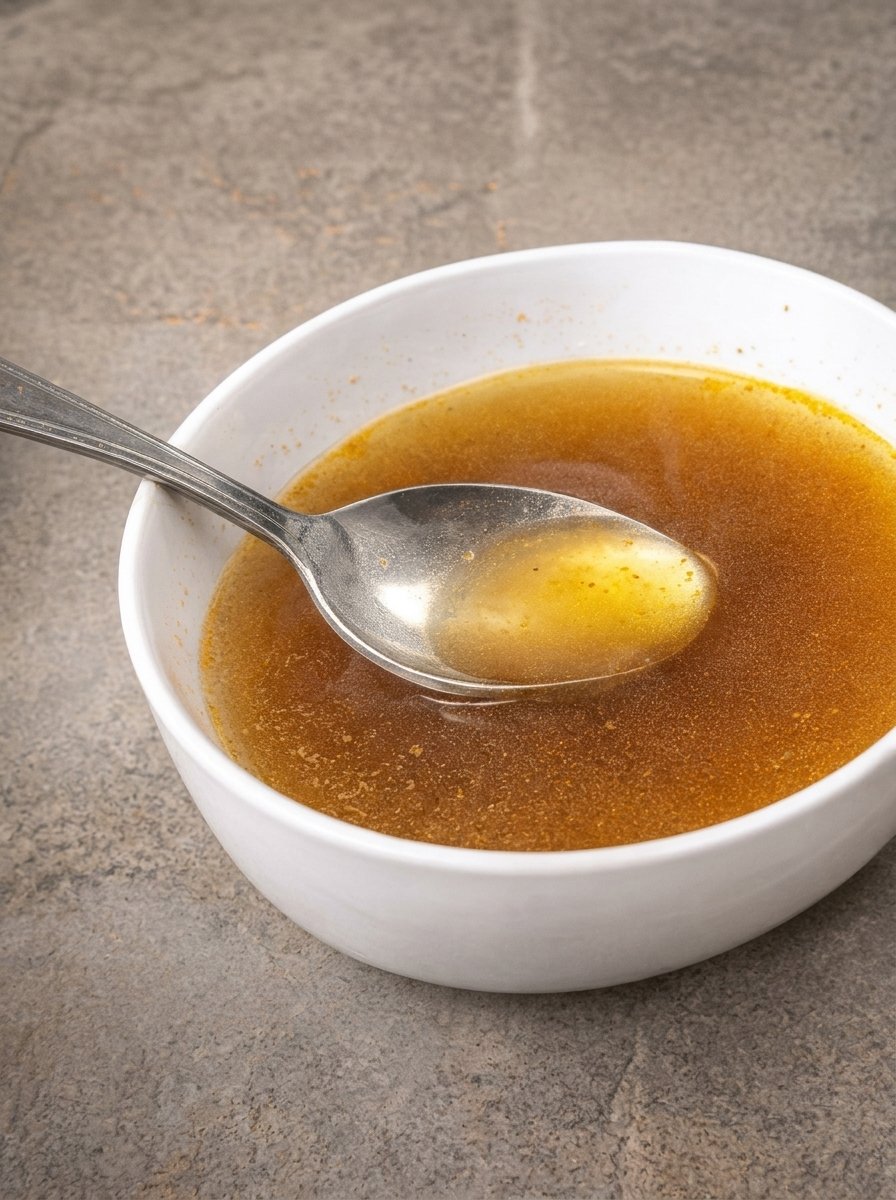
Soothing Carnivore Bone Broth Recipe
Warm, nourishing, and deeply comforting, this Soothing Carnivore Bone Broth is a simple homemade recipe made with beef bones, water, and a splash of apple cider vinegar. Slowly simmered for hours, the bones release flavor into the cooking liquid, creating a rich broth that’s perfect for sipping by the mugful or using as a base for other carnivore-inspired meals.
Whether you’re looking for a cozy drink on a chilly day, a savory addition to your meal routine, or a homemade alternative to packaged broth, this recipe is wonderfully straightforward. Roasting the bones first gives the broth a deeper, more developed flavor, while slow simmering allows plenty of time for the broth to become rich and satisfying.
With minimal ingredients and a long, gentle cooking process, this is an easy recipe to prepare when you have time to let the stovetop do the work.
Note: This version includes apple cider vinegar, which is plant-derived, so it is carnivore-inspired rather than strictly animal-only. You can omit it if you prefer a stricter carnivore approach.
❤️ Why You’ll Love This Recipe
Simple ingredients: Beef bones, water, and apple cider vinegar are the essentials.
Deep roasted flavor: Roasting the bones creates a richer, more savory broth.
Long, slow simmer: Gives the broth plenty of time to develop flavor.
Easy preparation: Most of the cooking time requires very little attention.
Versatile: Sip it warm or use it in soups and other savory dishes.
Make-ahead friendly: Prepare a large batch and portion it for later.
Carnivore-inspired: Focuses on beef bones and a simple broth base.
📋 Recipe Information
Prep Time: 10 minutes
Roasting Time: 15–20 minutes
Simmering Time: 14–16 hours
Total Time: Approximately 14½–16½ hours
Yield: Approximately 8–10 cups, depending on the bones and water used
Course: Beverage, Soup Base
Cuisine: Carnivore-inspired
Cooking Method: Oven and stovetop
🛒 Ingredients
3–4 pounds beef bones, preferably a mixture of marrow bones and meaty soup bones
10–12 cups water, or enough to completely cover the bones
2 tablespoons apple cider vinegar
Optional Additions
For a simple carnivore-style broth, you can keep the ingredient list as written. If you are not following a strict animal-only approach, you may also add:
A little salt, to taste
A few black peppercorns
1–2 garlic cloves
A small piece of onion
The optional additions are not included in the basic recipe.
🍳 Equipment Needed
Large roasting tray
Large stockpot with lid
Tongs
Large spoon
Fine-mesh strainer
Cheesecloth
Heat-safe glass jars or food-storage containers
Ladle
👩🍳 How to Make Soothing Carnivore Bone Broth
Step 1: Preheat the Oven
Preheat your oven to 450°F (230°C).
Arrange the beef bones in a single layer on a large roasting tray. Leave a little space between the pieces so they roast evenly.
Step 2: Roast the Beef Bones
Place the tray in the preheated oven.
Roast the bones for 15–20 minutes, or until they develop a golden-brown color.
Roasting helps build a deeper, richer flavor in the finished broth. Keep an eye on the bones and avoid letting them burn.
Step 3: Transfer the Bones to a Stockpot
Carefully move the roasted bones into a large stockpot using tongs.
Pour enough water into the pot to completely cover the bones.
Add the apple cider vinegar and stir gently.
Step 4: Bring the Water to a Boil
Place the stockpot over high heat and bring the water to a boil.
Once boiling, reduce the heat immediately to maintain a very gentle simmer.
Avoid a vigorous boil, which can make the broth cloudy and cause more liquid to evaporate.
Step 5: Simmer Slowly
Allow the broth to simmer gently for 14–16 hours.
Check the pot periodically. Add more hot water if needed to keep the bones covered, and maintain a gentle simmer throughout the cooking process.
Keep the pot partially covered if you want to reduce evaporation, making sure it remains at a safe simmer.
Step 6: Cool and Skim
When the simmering time is complete, turn off the heat.
Allow the broth to cool enough to handle safely. Skim any film or excess fat from the surface if desired.
For safer and faster cooling, divide the broth into smaller, shallow containers rather than leaving a large stockpot to cool for hours.
Step 7: Strain the Broth
Place a fine-mesh strainer lined with cheesecloth over a large heat-safe bowl or pot.
Carefully pour the broth through the strainer to remove the bones and small particles.
Discard the bones and solids once they have cooled enough to handle safely.
Step 8: Portion and Store
Pour the strained broth into clean, heat-safe storage containers.
Leave a little space at the top if you plan to freeze it, since liquids expand as they freeze.
Refrigerate promptly or freeze in individual portions for convenient use later.
Step 9: Serve Warm
Pour a serving into a small saucepan and heat until steaming hot.
Add salt to taste if desired, then sip slowly from a mug or use the broth in another savory recipe.
💡 Tips for the Best Bone Broth
Choose a Variety of Beef Bones
Marrow bones add richness, while meaty soup bones contribute a deeper beef flavor. A mixture can give you a more rounded broth.
Roast Before Simmering
Roasting helps develop a fuller, more savory taste. Avoid burning the bones because burnt flavors can carry into the broth.
Keep the Simmer Gentle
A gentle simmer is preferable to a rolling boil. Check the pot periodically and adjust the heat as needed.
Add Water When Necessary
The bones should remain covered during cooking. Add hot water when the level drops too low.
Strain Carefully
Cheesecloth helps catch small particles and bone fragments, leaving a smoother broth.
Adjust the Seasoning After Straining
If you want a simple broth, wait until the end to add salt. This lets you taste the finished liquid before seasoning.
🍖 Delicious Carnivore-Friendly Variations
1. Rich Marrow Bone Broth
Use a higher proportion of beef marrow bones for a richer, fuller-bodied broth.
2. Meaty Beef Bone Broth
Use more meaty soup bones for a stronger beef flavor. You can remove any tender meat after cooking and enjoy it separately if it remains suitable to eat.
3. Salted Carnivore Broth
Add salt after straining, tasting as you go until the broth reaches your preferred flavor.
4. Creamy Bone Broth
Whisk a small amount of heavy cream into a warm serving for a richer, creamier drink. This adds dairy and changes the recipe’s nutritional profile.
5. Strict Carnivore-Inspired Version
Use only beef bones and water, omitting the apple cider vinegar and all plant-derived seasonings. The flavor may be slightly different, but the broth can still be simmered slowly.
🍽️ How to Enjoy Your Bone Broth
This homemade broth is versatile and can be enjoyed in several ways.
Sip it warm from a mug.
Use it as a base for beef soup.
Pour it over shredded cooked beef.
Use it to moisten leftover meat.
Add it to a slow-cooked beef recipe.
Serve a small cup alongside eggs or another savory meal.
For a simple, comforting drink, warm a mug of broth and season it lightly with salt.
🥡 Storage and Reheating
Refrigerator
Strain the broth and transfer it into shallow containers. Refrigerate within 2 hours of cooking and keep at 40°F (4°C) or below.
Use refrigerated broth within 3–4 days.
Freezer
Freeze broth in airtight, freezer-safe containers or individual portions for up to 3 months for best quality.
Leave space at the top of each container to allow for expansion. Ice-cube trays or small freezer containers are convenient for smaller portions.
Reheating
Stovetop: Pour the desired amount into a saucepan and heat until steaming hot, stirring occasionally.
Microwave: Place a portion in a microwave-safe mug or bowl. Heat in short intervals, stirring carefully between intervals.
Reheat broth to 165°F (74°C). Avoid repeatedly cooling and reheating the entire batch; warm only the amount you plan to use.
📊 Approximate Nutrition Information
Estimated per 1-cup serving, assuming the broth is strained and excess surface fat is skimmed:
Calories: 40–70
Protein: 8–12 g
Fat: 1–3 g
Total Carbohydrates: 0–1 g
Fiber: 0 g
Sugar: 0 g
These are broad estimates, not laboratory values. Actual nutrition varies considerably with the type and quantity of bones, marrow and meat content, simmering time, final broth yield, and how much fat is removed. The broth may contain more calories and fat if you leave the rendered fat in.
❓ Frequently Asked Questions
Why roast the bones before making broth?
Roasting develops a deeper, more savory flavor and gives the broth a richer color. It is a simple step that can make a noticeable difference in the finished taste.
Can I make this broth without apple cider vinegar?
Yes. You can omit it, especially if you prefer a stricter carnivore approach. The broth will still simmer and develop flavor, although its final characteristics may differ.
Can I use only marrow bones?
Yes. Marrow bones can make a rich broth, although using some meaty soup bones as well can provide a fuller beef flavor.
Does bone broth have to simmer for 14–16 hours?
This recipe uses a 14–16-hour simmer to develop its flavor. Different bones and cooking methods can produce different results, so the exact time needed varies.
Should the broth boil continuously?
No. Bring it to a boil initially, then lower the heat to maintain a gentle simmer. A vigorous boil can make the broth cloudy and cause excessive evaporation.
Why does a layer form on top of the broth?
The surface layer may contain rendered fat and other cooking residues. You can skim it off for a lighter broth or keep some of the fat if you prefer a richer result.
Why does my bone broth turn gelatinous in the refrigerator?
A broth that becomes jelly-like when chilled may contain gelatin released from connective tissue and collagen-rich parts of the bones. It will usually become liquid again when reheated.
Can I use a slow cooker instead of a stockpot?
Yes, provided your slow cooker is large enough and the manufacturer’s instructions allow the long cooking time. Transfer the roasted bones, water, and vinegar to the slow cooker and cook on LOW. Make sure the broth stays at a safe cooking temperature throughout.
Can I reuse the bones for another batch?
You can simmer bones again, but the second batch will generally be lighter and less flavorful. For the richest broth, use fresh bones.
Is this recipe strictly carnivore?
The basic version includes apple cider vinegar, which is plant-derived. Omit it for an animal-only version, and check any optional seasonings or additions against your personal definition of carnivore eating.
💚 Final Thoughts
This Soothing Carnivore Bone Broth is a simple, comforting recipe that turns beef bones into a rich homemade broth with very little hands-on effort. Roasting the bones first builds savory flavor, while a long, gentle simmer creates a warm, satisfying liquid you can enjoy by the mug or use in other meals.
Make a batch when you have time, portion it into convenient containers, and keep some ready for a cozy drink or an easy cooking ingredient. With just a few essentials and a little patience, homemade bone broth can become a useful addition to your kitchen routine.