
Mediterranean Diet Recipes & Tips for Beginners
When I first started exploring Mediterranean-style eating, I honestly thought I would have to completely change the way I cooked.
But I quickly realized it wasn’t about complicated recipes or giving up all the foods I loved. It was more about learning to build meals around fresh vegetables, fruit, beans, whole grains, fish, olive oil, herbs, and other simple ingredients.
The more I cooked this way, the more I appreciated how naturally flavorful the food could be.
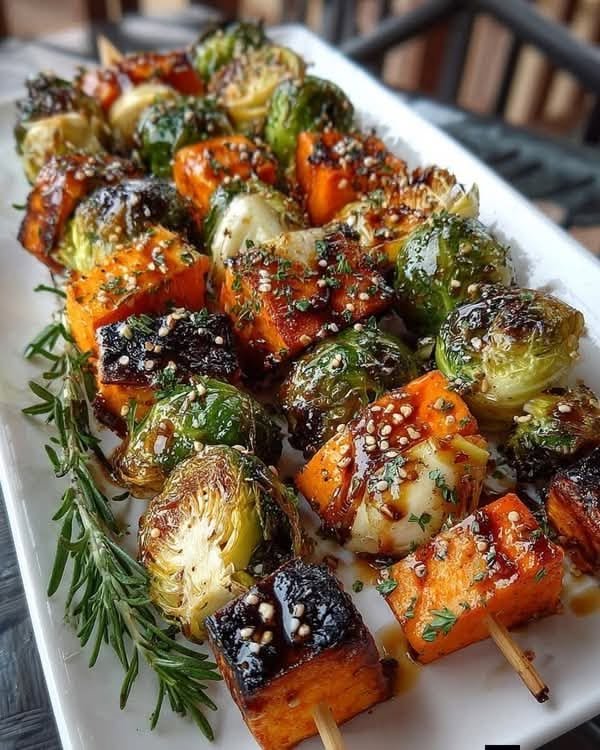
A simple tomato salad with good olive oil and herbs can be delicious. A piece of grilled fish doesn’t need a heavy sauce. Even roasted vegetables can become something you look forward to eating when they’re seasoned well.
If you’re new to the Mediterranean diet, don’t worry about trying to change everything overnight. Start with a few simple meals, learn the basic ingredients, and gradually make them part of your normal routine.
What Is the Mediterranean Diet?
The Mediterranean diet is a style of eating inspired by traditional food patterns from countries around the Mediterranean region.
Rather than being a strict meal plan, it emphasizes a variety of whole and minimally processed foods.
The foundation usually includes:
- Vegetables
- Fruits
- Beans and lentils
- Whole grains
- Nuts and seeds
- Olive oil
- Herbs and spices
- Fish and seafood
- Moderate amounts of poultry, eggs, and dairy
Red meat, processed meats, sweets, and highly processed foods are generally eaten less frequently.
The goal isn’t perfection.
It’s about creating an overall eating pattern that’s balanced, colorful, satisfying, and enjoyable.
Simple Mediterranean Diet Foods for Beginners
If you’re standing in the grocery store wondering where to start, keep it simple.
Vegetables
Choose whatever vegetables you enjoy.
Try:
- Tomatoes
- Cucumbers
- Bell peppers
- Spinach
- Broccoli
- Zucchini
- Eggplant
- Carrots
- Onions
- Leafy greens
Fresh, frozen, and canned vegetables can all be useful.
Fruits
Fruit is an easy Mediterranean-style snack or dessert.
Good options include:
- Apples
- Oranges
- Berries
- Grapes
- Peaches
- Pears
- Melons
- Bananas
Healthy Fats
Extra virgin olive oil is one of the signature ingredients of Mediterranean cooking.
Other good choices include:
- Avocados
- Almonds
- Walnuts
- Pistachios
- Pumpkin seeds
- Sunflower seeds
Protein
Fish and seafood are especially popular choices.
Try:
- Salmon
- Cod
- Sardines
- Tuna
- Shrimp
- Trout
You can also include chicken, turkey, eggs, yogurt, cheese, beans, chickpeas, and lentils.
Whole Grains
Examples include:
- Oats
- Brown rice
- Quinoa
- Barley
- Whole-grain bread
- Whole-wheat pasta
- Farro
Easy Mediterranean Recipes for Beginners
You don’t need complicated recipes to get started.
Here are some of my favorite beginner-friendly ideas.
1. Mediterranean Chicken Bowl
Start with grilled chicken and add:
- Cucumber
- Tomato
- Hummus
- Olives
- Feta
- Greens
- Brown rice or quinoa
Finish with olive oil and lemon juice.
It’s colorful, filling, and easy to customize.
2. Mediterranean Lentil Salad
Combine cooked lentils with cucumber, tomatoes, red onion, parsley, and feta.
Dress everything with olive oil, lemon juice, oregano, salt, and pepper.
This is one of those recipes that tastes even better after the flavors have had time to mingle.
3. Mediterranean Salmon Salad
Top a large bowl of greens with grilled or baked salmon.
Add cucumber, tomatoes, olives, red onion, avocado, and a simple lemon-olive oil dressing.
It’s an easy lunch that feels much more exciting than an ordinary salad.
4. Mediterranean Roasted Vegetables
Cut zucchini, bell peppers, onions, eggplant, and tomatoes into bite-sized pieces.
Toss with olive oil, garlic, oregano, salt, and pepper.
Roast until tender and caramelized around the edges.
These vegetables are delicious as a side dish or served over grains with hummus.
5. Mediterranean Fish
Season a white fish such as cod with olive oil, garlic, lemon, oregano, and black pepper.
Bake or pan-sear until flaky.
Serve with a tomato-cucumber salad and roasted vegetables.
It’s one of the easiest Mediterranean-style dinners you can make.
6. Greek-Style Salad
Combine:
- Tomatoes
- Cucumber
- Red onion
- Bell pepper
- Kalamata olives
- Feta
Dress with olive oil, lemon juice or red wine vinegar, oregano, salt, and pepper.
That’s it.
Sometimes simple really is better.
Easy Mediterranean Breakfast Ideas
Breakfast doesn’t have to be complicated.
Try:
Greek Yogurt Bowl
Top plain Greek yogurt with berries, walnuts, chia seeds, and a small drizzle of honey.
Vegetable Omelet
Cook eggs with spinach, tomatoes, onions, and herbs.
Add a little feta if you like.
Avocado Toast
Use whole-grain toast topped with mashed avocado, tomato, olive oil, and a sprinkle of herbs.
Oatmeal
Cook oats with milk or yogurt and top with berries, walnuts, cinnamon, and seeds.
Easy Mediterranean Lunch Ideas
Lunch can be as simple as a bowl assembled from ingredients you already have.
Try:
- Hummus with vegetables and whole-grain pita
- Lentil salad
- Tuna and white bean salad
- Mediterranean chicken bowl
- Greek-style salad with chickpeas
- Whole-grain toast with avocado and egg
- Leftover roasted vegetables with quinoa
Easy Mediterranean Dinner Ideas
For dinner, I like thinking in terms of a simple formula:
Protein + vegetables + whole grain + healthy fat
For example:
Grilled salmon + roasted broccoli + quinoa + olive oil
Or:
Chicken + Mediterranean vegetables + brown rice + hummus
Or:
Chickpeas + roasted vegetables + whole-grain pita + tahini
You don’t need a complicated recipe every night.
Mediterranean Snacks
If you’re hungry between meals, try:
- Fresh fruit
- A handful of nuts
- Greek yogurt
- Hummus with vegetables
- Apple with nut butter
- Olives
- Whole-grain crackers with hummus
- Roasted chickpeas
- Fresh vegetables with tzatziki
Mediterranean Diet Grocery List
If you’re starting from scratch, here’s a simple shopping list.
Produce
- Tomatoes
- Cucumbers
- Spinach
- Bell peppers
- Broccoli
- Zucchini
- Eggplant
- Onions
- Lemons
- Garlic
- Apples
- Berries
- Oranges
Protein
- Salmon
- Cod
- Shrimp
- Chicken
- Eggs
- Greek yogurt
- Canned tuna
- Lentils
- Chickpeas
- Beans
Pantry
- Extra virgin olive oil
- Whole-grain bread
- Brown rice
- Quinoa
- Oats
- Whole-wheat pasta
- Nuts
- Seeds
- Olives
- Canned tomatoes
- Herbs and spices
Dairy
- Feta
- Plain Greek yogurt
- Small amounts of other cheeses
Mediterranean Diet Tips for Beginners
1. Don’t Try to Change Everything at Once
This was probably the biggest lesson for me.
Instead of completely changing my kitchen overnight, I started by adding more vegetables and using olive oil more often.
Small changes are much easier to maintain.
2. Make Vegetables the Star
Instead of thinking of vegetables as something you have to eat because they’re “healthy,” focus on making them delicious.
Roast them with olive oil and herbs.
Grill them.
Add garlic and lemon.
Make colorful salads.
You’ll be surprised how satisfying vegetables can be.
3. Keep Healthy Ingredients Around
Having the right ingredients available makes healthy meals much easier.
Keep things like canned chickpeas, tuna, tomatoes, olive oil, nuts, frozen vegetables, and whole grains in your kitchen.
4. Learn a Few Simple Dressings
A good dressing can completely change a meal.
One of my favorites is:
- 3 tablespoons olive oil
- 1 tablespoon lemon juice
- 1 tablespoon red wine vinegar
- ½ teaspoon dried oregano
- Salt
- Black pepper
Whisk everything together and drizzle over salads or roasted vegetables.
5. Choose Whole Foods More Often
You don’t have to eliminate every processed food.
Simply make whole or minimally processed foods the foundation of most meals.
6. Enjoy Your Food
This is one of my favorite things about Mediterranean-style eating.
Food isn’t supposed to feel like punishment.
Sit down.
Slow down.
Enjoy your meal.
Share it with family when you can.
That part matters too.
A Simple 7-Day Mediterranean Meal Plan
Day 1
Breakfast: Greek yogurt with berries and walnuts
Lunch: Chickpea Greek salad
Dinner: Lemon garlic chicken with roasted vegetables
Day 2
Breakfast: Vegetable omelet
Lunch: Hummus and whole-grain pita with vegetables
Dinner: Mediterranean baked cod with tomatoes and olives
Day 3
Breakfast: Oatmeal with apple and walnuts
Lunch: Lentil salad
Dinner: Grilled salmon with quinoa and broccoli
Day 4
Breakfast: Avocado toast with egg
Lunch: Mediterranean chicken bowl
Dinner: Whole-wheat pasta with tomatoes, spinach, garlic, and olive oil
Day 5
Breakfast: Greek yogurt with fruit and seeds
Lunch: Tuna and white bean salad
Dinner: Shrimp with roasted vegetables and brown rice
Day 6
Breakfast: Spinach and feta eggs
Lunch: Hummus vegetable wrap
Dinner: Grilled chicken with Greek salad and roasted potatoes
Day 7
Breakfast: Oatmeal with berries and almonds
Lunch: Mediterranean lentil bowl
Dinner: Baked salmon with roasted zucchini and quinoa
Common Mistakes Beginners Make
Making It Too Complicated
You don’t need exotic ingredients or elaborate recipes.
Eating Too Little
Healthy eating doesn’t mean constantly being hungry. Include enough protein, healthy fats, fiber, and whole foods to make meals satisfying.
Focusing Only on Olive Oil
Olive oil is an important part of Mediterranean cooking, but the overall pattern matters more than any single ingredient.
Expecting Perfection
One meal doesn’t make or break your diet.
If you eat something outside your usual plan, simply return to your normal routine at the next meal.
Frequently Asked Questions
Is the Mediterranean diet hard to follow?
It doesn’t have to be. Start with simple meals and gradually add more vegetables, legumes, whole grains, fish, nuts, and olive oil.
Can beginners eat pasta?
Yes. Whole-grain pasta can fit comfortably into a Mediterranean-style eating pattern. Pair it with vegetables, beans, seafood, or lean protein rather than making pasta the only component of the meal.
Can I eat chicken?
Yes. Poultry can be included as part of the Mediterranean diet, although fish and plant-based proteins are often emphasized more heavily.
Can I eat cheese?
Yes, generally in moderate amounts. Feta, Greek yogurt, and other traditional cheeses can be included.
Are potatoes allowed?
Yes. Potatoes can fit into a Mediterranean-style diet. Preparation and the overall balance of the meal matter.
Can I eat dessert?
Absolutely. Fresh fruit is a common choice, while sweets can be enjoyed occasionally.
Is the Mediterranean diet vegetarian?
Not necessarily. It’s flexible and can include fish, seafood, poultry, eggs, and dairy, along with plenty of plant foods.
Final Thoughts
Starting a Mediterranean-style diet doesn’t have to mean throwing away everything in your pantry and learning a hundred new recipes.
Start small.
Add an extra vegetable to dinner. Replace some butter with olive oil. Have fruit instead of a heavily processed snack. Try beans or lentils in a meal. Cook fish once or twice a week.
Before long, these little changes can start feeling completely normal.
That’s what I love most about Mediterranean-style eating. It isn’t about making food boring or restrictive.
It’s about filling your table with colorful, flavorful food and actually enjoying the process of eating it.
And honestly, once you discover how good roasted vegetables taste with garlic, olive oil, lemon, and herbs, healthy eating starts to feel a lot less like a sacrifice and a lot more like something you genuinely look forward to. 🫒🍋🥗